The agricultural sector is undergoing a significant transformation, driven by advancements in technology and machinery. As we navigate this evolving landscape, the balance between quality and pricing becomes increasingly critical for farmers and manufacturers alike. Realise how agricultural machines can optimize productivity while maintaining cost-effectiveness is essential for sustainable growth.
The Role of Agricultural Machines in Modern Farming
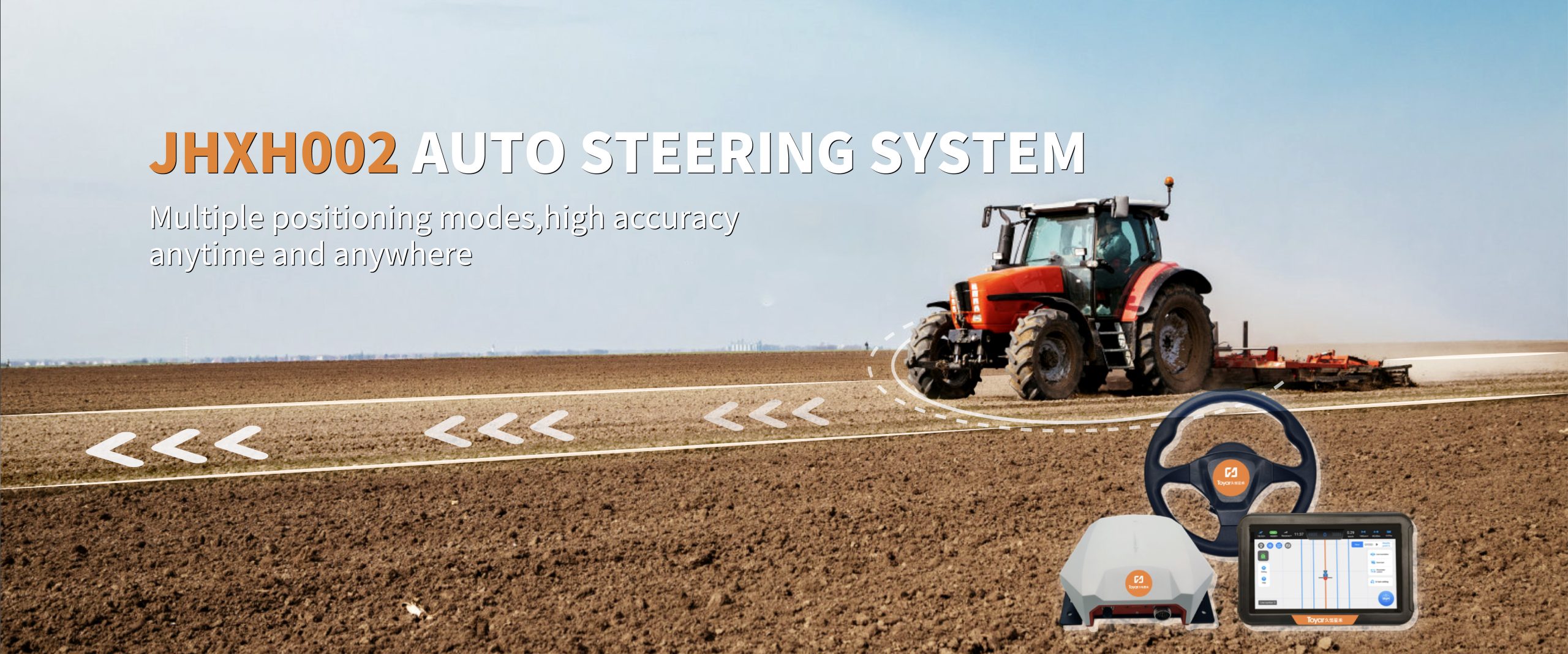
Agricultural machines have revolutionized farming practices, enabling higher efficiency and productivity levels than ever before. From tractors to harvesters, these machines are designed to reduce labor costs while maximizing output. The integration of precision agriculture technologies further enhances their capabilities, allowing farmers to monitor crop health and soil conditions with unparalleled accuracy. By investing in advanced agricultural machinery, producers can achieve better yields without compromising on quality or increasing operational expenses.
Agma-Toyar: A Leader in Agricultural Machinery Innovation
Agma-Toyar has emerged as a key player in the agricultural machinery market, known for its commitment to innovation and sustainability. Their range of products includes state-of-the-art equipment that not only boosts productivity but also adheres to environmental standards. By focusing on research and development, Agma-Toyar ensures that their machines meet the diverse needs of modern agriculture while keeping prices competitive. This strategic approach allows them to maintain strong relationships with clients who prioritize both quality performance and affordability.
No Till Grain Drills: Enhancing Soil Health While Reducing Costs
No till grain drills represent a significant advancement in conservation agriculture techniques aimed at preserving soil integrity while optimizing planting processes. These innovative tools minimize soil disturbance during planting, which helps retain moisture and improve overall soil health over time. Additionally, no till grain drills contribute to reduced fuel consumption compared to traditional methods—an important factor when considering long-term operational costs for farmers. By adopting such technology, growers can enhance crop production sustainably without incurring excessive expenses.
Conclusion: The Future of Agricultural Machines
The future of agricultural machines lies in striking an optimal balance between quality enhancement and pricing strategies that benefit all stakeholders involved—from manufacturers like Agma-Toyar to end-users such as farmers worldwide. As we continue research new technologies within this field, it remains crucial that we prioritize innovations that support sustainable practices without sacrificing economic viability or product excellence.